
Why Is Plano ISD Losing Students While Celina ISD Can't Build Schools Fast Enough?


Plano ISD enrollment has dropped from about 46,550 students in 2024-25 to a projected 41,830 in 2026-27, forcing campus closures and a projected $44 million budget shortfall. Meanwhile, Celina ISD, about 25 minutes north, is one of the fastest-growing school districts in Texas. The split isn't about school quality. It's about housing: Plano is largely built out with an aging population, while Celina has thousands of acres of new construction filling up with young families
Same county, two completely different stories. Plano ISD is closing campuses and staring down a projected $44 million budget shortfall for the 2026-27 school year because enrollment keeps dropping, from around 46,550 students two years ago to a projected 41,830 this year. Drive 25 minutes north to Celina, and the school district can barely keep up with how fast it's growing.
I get asked constantly which school district is "better." That's the wrong question here. This isn't about teacher quality or test scores. It's about housing stock, plain and simple.
Plano is largely built out. Most of its neighborhoods went up in the 80s and 90s, the people who bought those homes raised their kids there, and now those kids are grown and gone while the parents are staying put. Fewer young families are moving in because there's less new inventory to move into. That's recapture and declining enrollment in a nutshell.
Celina is the opposite story. It's one of the fastest-growing districts in the entire state because there are thousands of new homes going up and young families are the ones buying them. New construction pulls in exactly the demographic that fills classrooms.
Here's what this actually means if you're house hunting with kids. An established district like Plano often means smaller, more stable class sizes, mature trees, shorter drives to established amenities, and a school community that's been there a while. A fast-growing district like Celina means brand-new facilities but also more portable classrooms and construction dust while infrastructure catches up. Neither is wrong. They're just different trade-offs, and most buyers don't realize they're choosing between them until I point it out.
For sellers in Plano, understanding this shift matters for how you market your home. Your buyer pool skews toward move-up buyers and empty nesters right now, not first-time families flooding in.
If you're thinking about buying or selling a home in Plano or Celina, reach out to Christina Money. I'd be happy to help you understand what's happening in the market and what your options are.
FAQ:
Q: Is Plano ISD a good school district in 2026?
A: Plano ISD remains a well-established, high-performing district, but it's dealing with declining enrollment and a projected $44 million budget shortfall for 2026-27, which has led to campus closures as the district right-sizes for fewer students.
Q: Why is Celina ISD growing so fast?
A: Celina ISD's growth is driven by new home construction. Thousands of new houses are going up across Celina, and young families buying those homes are filling classrooms faster than the district can build for them.
Q: Will Plano ISD close more schools?
A: Plano ISD has already closed multiple campuses in response to falling enrollment and has been selling off some of that property. Continued declining enrollment projections suggest the district will keep evaluating its campus footprint.
Q: Should I pick a growing school district or an established one when buying in Collin County?
A: It depends on your priorities. Established districts like Plano offer stability, mature neighborhoods, and shorter commutes to built-out amenities. Fast-growing districts like Celina offer newer facilities and homes but come with ongoing construction and infrastructure growing pains.
I get asked constantly which school district is "better." That's the wrong question here. This isn't about teacher quality or test scores. It's about housing stock, plain and simple.
Plano is largely built out. Most of its neighborhoods went up in the 80s and 90s, the people who bought those homes raised their kids there, and now those kids are grown and gone while the parents are staying put. Fewer young families are moving in because there's less new inventory to move into. That's recapture and declining enrollment in a nutshell.
Celina is the opposite story. It's one of the fastest-growing districts in the entire state because there are thousands of new homes going up and young families are the ones buying them. New construction pulls in exactly the demographic that fills classrooms.
Here's what this actually means if you're house hunting with kids. An established district like Plano often means smaller, more stable class sizes, mature trees, shorter drives to established amenities, and a school community that's been there a while. A fast-growing district like Celina means brand-new facilities but also more portable classrooms and construction dust while infrastructure catches up. Neither is wrong. They're just different trade-offs, and most buyers don't realize they're choosing between them until I point it out.
For sellers in Plano, understanding this shift matters for how you market your home. Your buyer pool skews toward move-up buyers and empty nesters right now, not first-time families flooding in.
If you're thinking about buying or selling a home in Plano or Celina, reach out to Christina Money. I'd be happy to help you understand what's happening in the market and what your options are.
FAQ:
Q: Is Plano ISD a good school district in 2026?
A: Plano ISD remains a well-established, high-performing district, but it's dealing with declining enrollment and a projected $44 million budget shortfall for 2026-27, which has led to campus closures as the district right-sizes for fewer students.
Q: Why is Celina ISD growing so fast?
A: Celina ISD's growth is driven by new home construction. Thousands of new houses are going up across Celina, and young families buying those homes are filling classrooms faster than the district can build for them.
Q: Will Plano ISD close more schools?
A: Plano ISD has already closed multiple campuses in response to falling enrollment and has been selling off some of that property. Continued declining enrollment projections suggest the district will keep evaluating its campus footprint.
Q: Should I pick a growing school district or an established one when buying in Collin County?
A: It depends on your priorities. Established districts like Plano offer stability, mature neighborhoods, and shorter commutes to built-out amenities. Fast-growing districts like Celina offer newer facilities and homes but come with ongoing construction and infrastructure growing pains.
Categories
Recent Posts
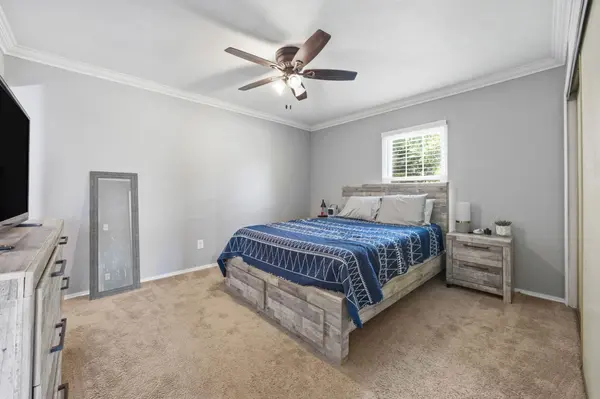
Can You Still Buy a Move-In Ready House in Allen ISD for $300,000?

How Will the Sunset Amphitheater Affect McKinney Home Values and Traffic?
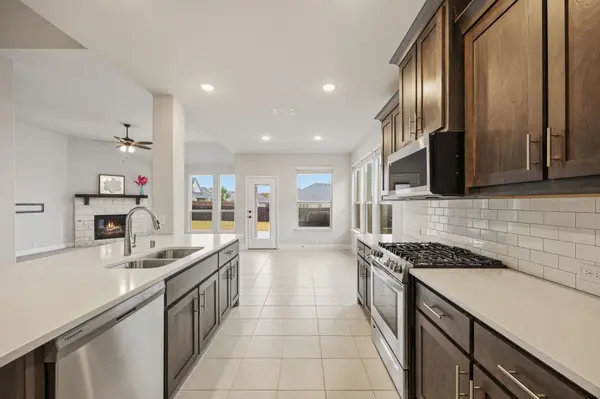
Is Stone Ranch a Good Neighborhood in Wylie? Inside 501 Windcrest Dr
Is Frisco Getting a Trader Joe's, and What Does It Mean for Home Values?
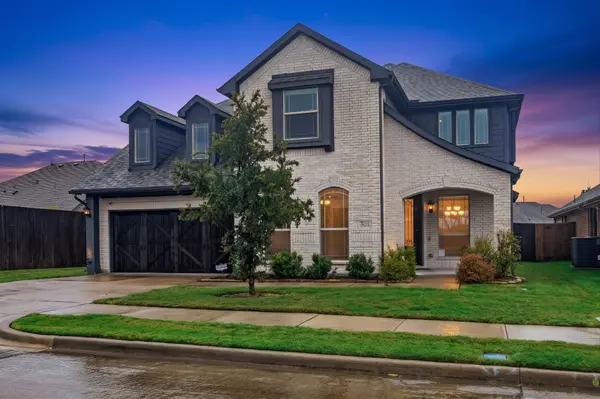
Just Listed in Stone Ranch: 501 Windcrest Drive, Wylie TX
Why Did Prosper Reject a $580 Million Data Center? What It Means for Homeowners

What's Happening to Willow Bend Mall in Plano? Here's What's Coming Next

What's Already Been Fixed on This Allen Home Before You Even Move In?
Celina's Explosive Growth and $7.5M Downtown Redevelopment

Dallas Ranked a Top-10 Buyer's Market in the U.S.